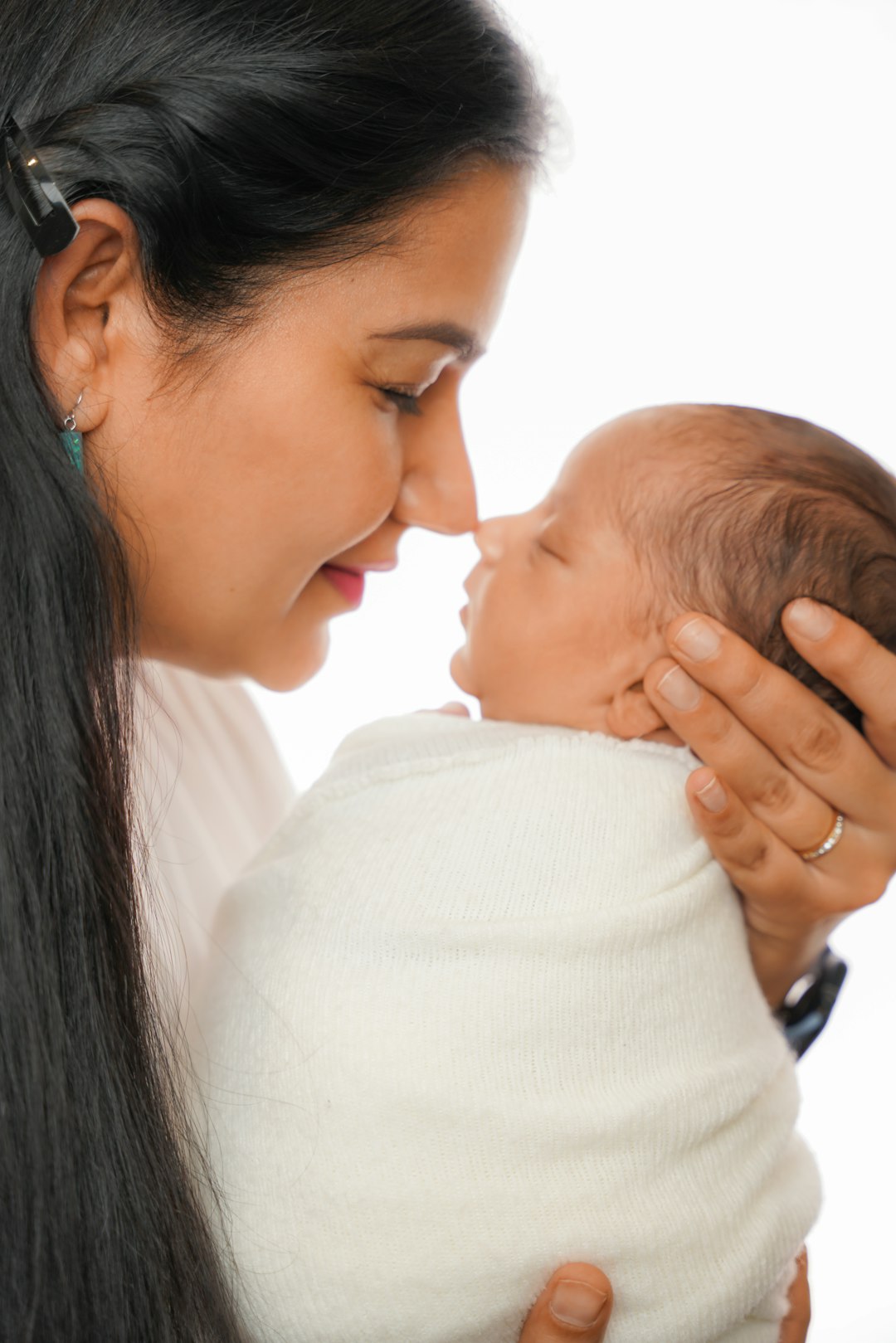
Interactive Synchrony: A Case for Relationship-Centered Care
Edi Nelson, MSOT, OTR/L
In my 25 years of practice, I have had the privilege of partnering with hundreds of children and their families. While every developmental trajectory is unique, the common thread in my work has been the necessity of fostering growth through foundational capacities. As a DIR practitioner, I view the caregiver-child relationship as the nucleus of that growth—the scaffold upon which all other development is built. One family's experience has stayed with me that illustrates the value of using a relationship centered approach.
I had been working with a child for over 2 years and then a sibling was born. You could say I was there from minute one! As this baby developed I started to notice that the typical, early social exchanges were not robust or easily exchanged. I had a trusting relationship with the mother, she had been a consistent participant during her older child's OT sessions. Around the time that I was planning to have a conversation with her about my observations she sent me a video of her trying to elicit her infant son's attention to no avail. The baby did not respond and instead looked as if his attention was stuck on a toy within his visual field. Understandably, the mother expressed concern. Because there were already many professionals working in the home with the older sibling, various therapies were started right away for the baby, including behavioral therapy. This infant was 5 months old.
Using a developmental, relationship-based lens, our OT sessions prioritized social interaction as a primary therapeutic goal. We evaluated his postural stability and tailored supports to match his unique profile, ensuring he was optimally available to reciprocate, and even more importantly, initiate social exchanges. By guiding the parent on body positioning, pacing, and affect, we created a scaffold for his budding communication profile responding to his gestures, grunts and gasps. When he began moving through space, we kept her at the center of his visual field, transforming her into the anchor for his exploration and the target of his connection. Whether we were working on postural stability or sensory-motor engagement, the focus remained constant: fostering interactive synchrony. Connection was the foundation of our work.
My visits with the older sibling, let's call him "Biggie", often occurred simultaneously when the baby was being seen by the ABA therapist in the adjacent room. Mom was usually in the room with me and Biggie; this surprised me. I assumed the mother would be unavailable during my sessions with Biggie because surely behavioral sessions with a 5 month old would entail…what exactly? I wasn't sure. When I inquired about how the other sessions were going I was told, "I can't get the baby to laugh like she (ABA therapist) can." "She is better at playing with him than I am." "I think he likes her more than me to be honest."
I suggested that the behavioral therapist and I could have a phone call to collaborate and align goals. During our call I explained my observations of his profile and why the mother-child bond was the central tenet of the work. I expressed concern that the mother might be internalizing the play she observed from other providers, and could be hindering her confidence and connection with her baby. I added that while I found it easy to engage the child, I chose not to, simply to leave space for the mother to be his primary partner. In contrast, the behavioral therapist remained anchored to a checklist of developmental milestones, focusing on object-based play as the primary vehicle for progress.
Although I was not able to build a bridge to understanding relationships within the context for this therapist's work, I continued to communicate and advocate using the relational and developmental lens.
This experience reaffirmed a fundamental tenet that I was taught from my first day in pediatrics: When we move away from 'fixing' the child and toward fostering interactive synchrony, we unlock the most potent developmental tool available. Milestones will come, but they are most integrative and meaningful when rooted in relationships; a foundation of connection, trust, and shared joy.
Back to Blog